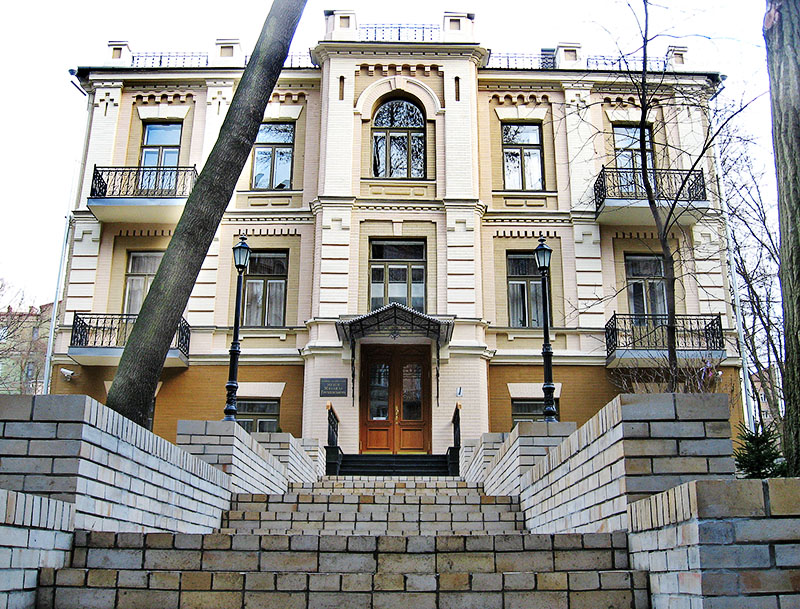
Memorial museum-apartment of V.S. Kosenko
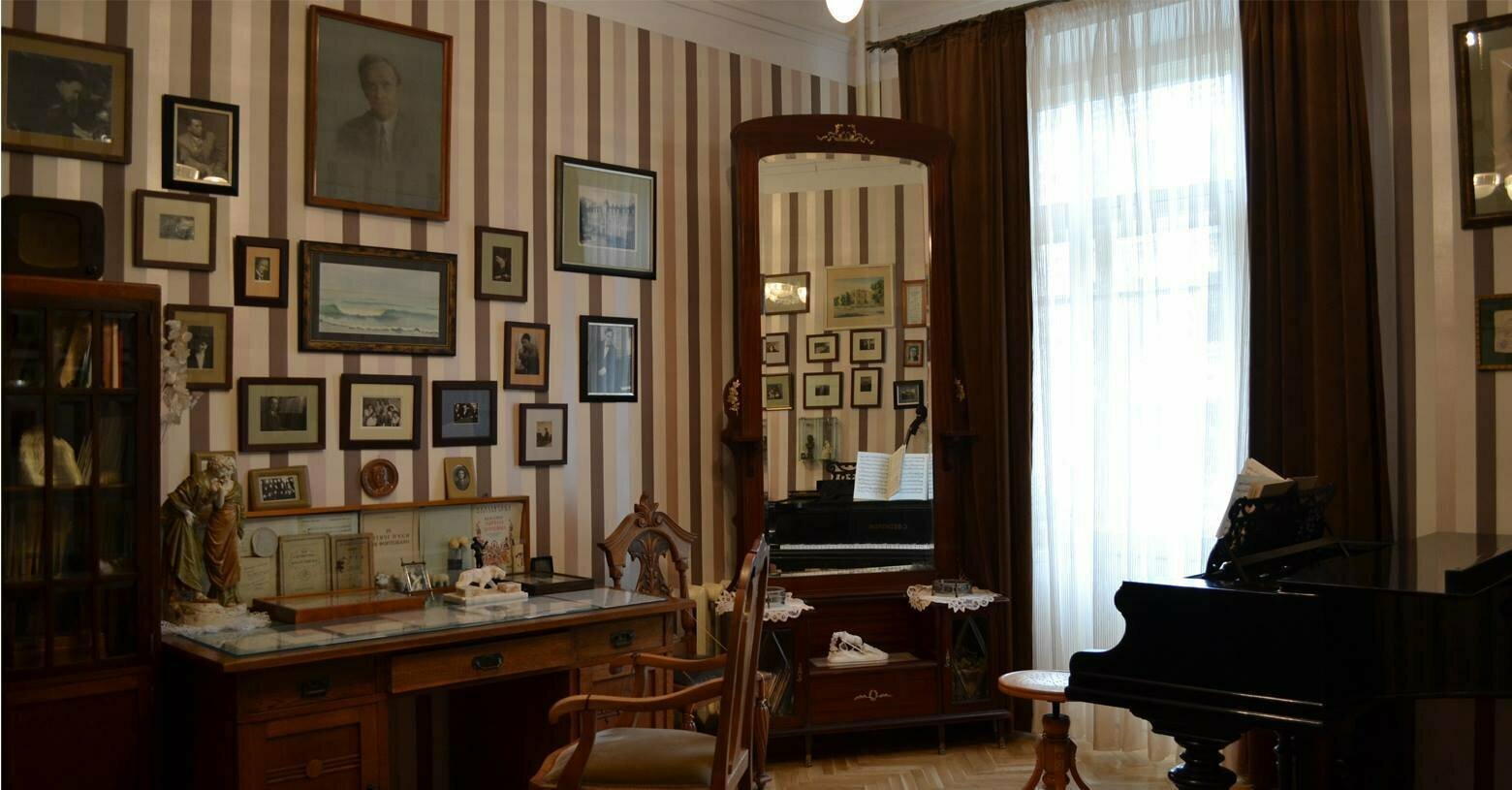
Ukrainian musician, educator, and public figure Viktor Kostenko spent the last year of his life in the apartment at 9 Kotsiubynskoho Street. After his death in 1938, on the advice of M. Rylsky, the musician's wife arranged a memorial study-museum here. During World War II, the family evacuated and managed to take two suitcases of valuable exhibits with them. After returning to Kyiv, the folk museum was again set up in the empty apartment. Only in late 1963 did it receive official status, and in 2007 it became a state museum. In 2009, the Museum-apartment of the composer V. Kosenko became a branch of the Museum of Theater, Music, and Cinema of Ukraine. In 2016, in honor of the 120th anniversary of Viktor Stepanovych's birth, the premises were renovated and the exposition was updated. Now it consists of 2 sections: memorial and biographical (living room and study) and exhibition. The halls recreated the interior of the 1930s, and there are about 1200 different memorabilia of the composer's life and work: there are editions and recordings of his works, books, folders with music, photos, collections of postcards and marble figurines, etc. The museum regularly hosts various events: evenings in memory of V. Kosenko, children's matinees, anniversaries, meetings with composers, seminars, conferences, concerts, and tea parties.
Added by organization
News
VR Tours
Locations
Events
3D objects
Feedback

Leave a review
Для людей закоханих в музику та кіно
Віталія Лисенко

Similar organizations and associations

Our portal contains the most interesting museums and exhibitions in Kyiv. You can visit them virtually,
See all
Organization
1
1
Victoria Museum
Victoria Museum is a museum of costume and style, founded in 2017 by the private collector Victoria Lysenko. Victoria Lysenko sought to create a beautiful, idealistic world full of beauty, inspiration and the best achievements of the pre-revolutionary era by opening the museum. This museum is about people who are proud of their origin, their ancestors, belonging to an ancient family. The museum has more than 1200 authentic exhibits of the 19th century, including clothes, shoes, accessories, jewelry and ordinary household items used by the inhabitants of Ukraine and Europe at that time - in general. The museum reflects the style of Europe at the time: Belle Époque, Silver Age, Edwardian Era, Victorian Era, Golden Age... The very names of these eras take us to a beautiful, turbulent world, where the economic and cultural rises and declines of countries succeeded each other. The consequences of these changes lead to incredible discoveries, new works of art and fashionable silhouettes, etc. Technological advances were taking over the world at breakneck speed, changing its face forever. In just a few decades, the crinoline and corset disappeared from the pages of fashion magazines, but the smooth lines and loose silhouettes familiar to us now appeared. It became possible to save images not only with the help of a drawing, but also in a photo, and even more so with a video camera. And electrification in general has radically changed all areas of life. Improvements, intellectual achievements, crazy development... This is the face of the era. And every single person who represented this era. The museum is a reflection of how quickly changes occur not only in fashion, but also the people themselves, in particular the women’s style. After all, the path that a woman walks through life is the path of ups and downs, stellar achievements and dizzying disappointments, incredible discoveries and irreparable mistakes. It is here that you can feel a woman's will to beauty, the thirst for life in all its manifestations - motherhood, travel, self-identification, acceptance of change, personal transformation, leadership... The Victoria Museum is a museum of one person, Victoria Lysenko, who has gone her incredible way from a girl from an ordinary family to a successful businesswoman and owner of an elite leisure place - a museum. Read the book "The Road to the Victoria Museum"